

Unlocking the potential of Battery Energy Storage Systems (BESS) for Southeast Asia’s energy future
As Southeast Asia continues to experience rapid economic growth and urbanization, the demand for reliable and sustainable energy solutions is higher than ever. With many countries in the region looking to transition to renewable energy sources, the integration of Battery Energy Storage Systems (BESS) is emerging as a game-changer in the way energy is produced, stored, and distributed. BESS offers an innovative way to manage power supply and demand, improve energy reliability, and accelerate the adoption of renewable energy technologies.
The declining cost of BESS: A game-changer for Southeast Asia
In recent years, the cost of deploying BESS has significantly decreased, making what was once a prohibitively expensive solution far more accessible. In 2025, BloombergNEF (BNEF) released its annual Battery Storage System Cost Survey, which found that global average turnkey energy storage system prices had fallen 40% from 2023 numbers to US$165/kWh in 2024. For Southeast Asia, where energy infrastructure is rapidly evolving to keep pace with urbanization and industrialization, this price drop has created a business case that is now within reach for both governments and private companies.
The International Energy Agency finds that Southeast Asia is on course to account for 25% of global energy demand growth between 2024 and 2035, second only to India over the period and more than double the region’s share of growth since 2010. By mid-century, energy demand in Southeast Asia is estimated to overtake that of the European Union. With energy demand steadily increasing, BESS can play a vital role in stabilizing power grids, improving energy access, and enhancing the resilience of infrastructure. The ability to store excess energy generated from renewable sources like solar and wind for later use is key in minimizing grid instability, reducing reliance on fossil fuels, and ensuring continuous power supply even in regions with unreliable grids.
Speeding up deployment with local expertise
One of the key challenges in deploying BESS in Southeast Asia is navigating the complexities of local infrastructure and regulatory landscapes. This is where working with local partners becomes invaluable. By collaborating with regional experts and local sales and service partners, businesses can significantly speed up the deployment process.
Real-world example of BESS installation in Southeast Asia
BESS solutions are already gaining traction in Southeast Asia, playing an important role in decarbonization plans. Leading the way for the region, Singapore launched the largest energy storage project in Southeast Asia in 2024. Coordinated by the Singapore Energy Board and invested and constructed by Singapore Sembcorp Group, the project is located on Jurong Island, Singapore’s energy and chemical center. Singapore relies heavily on solar energy, making BESS a significant solution in managing renewable energy intermittency, and the country is in talks to expand the project given its initial success.
Other Southeast Asian countries are also investing in energy storage as demand for electricity grows. In 2024, the Philippines opened its 20MW Magat BESS project in Isabela, the country’s first BESS project to be paired with hydroelectric power. Elsewhere, construction of Malaysia’s first utility-scale (400 MWh) BESS project is underway and Cambodia’s national electricity company, Électricité du Cambodia (EDC), is seeking support from the Asian Development Bank to help the utility develop 2GW of solar capacity and energy storage.
Recent efforts by nations to invest in BESS solutions indicate an understanding of BESS’ role in helping Southeast Asian nations marry their growing electricity demands with achieving goals of carbon neutrality by 2050.
When it comes to deploying large-scale energy systems, time is money. To help businesses reduce installation efforts and minimize downtime, Kempower’s complete portfolio of high-power charging and BESS solutions is pre-integrated and fully tested before arriving on-site. This ensures that the entire system is ready to be activated with minimal on-site installation effort, drastically reducing setup time and technical issues.
In Southeast Asia, where projects are often subject to tight deadlines and operational pressures, the ability to implement a pre-integrated solution that has already been tested and optimized is of significant advantage. This approach not only minimizes the risk of technical failures but also ensures that the solution operates seamlessly from day one, allowing businesses to focus on what matters most – delivering energy solutions to their customers and end-users.
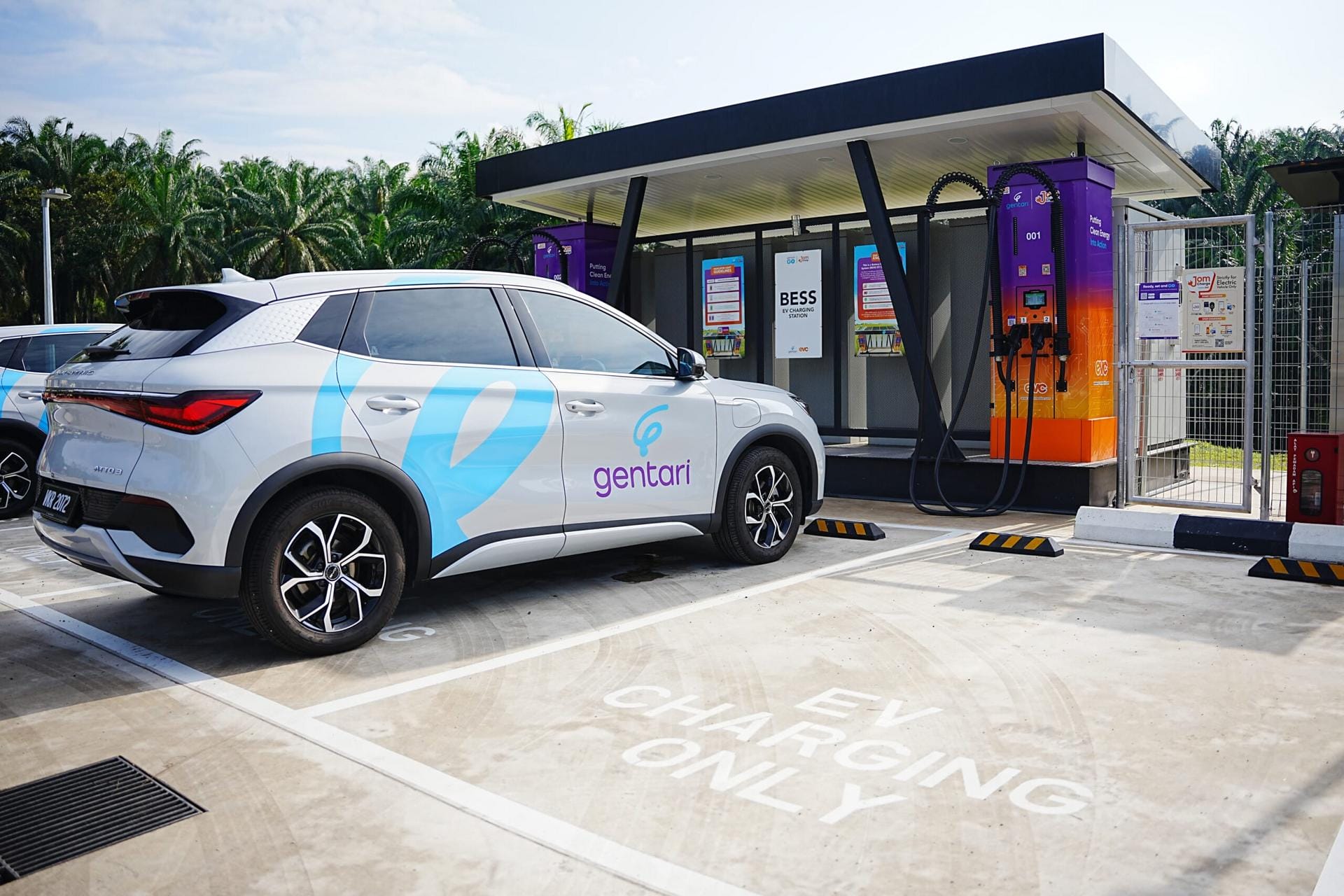
Successful implementations of pre-integrated BESS solutions
One compelling example is the Senawang Layby Northbound and Southbound in Negeri Sembilan, where Gentari and EV Connection have deployed two BESS-assisted charging hubs with 300kWh of storage. Each site features two double output Kempower Station Chargers with CCS2 outlets, allowing a charging power of up to 150kW. Thanks to the integrated BESS, the site can support high-speed charging even in areas where the grid capacity may be limited. The system intelligently adjusts output based on real-time usage and battery levels, maximizing efficiency and user experience while minimizing reliance on the grid.
Installations show that pre-integrated BESS solutions are not only scalable and reliable, but also essential for regions like Southeast Asia where power reliability and rapid infrastructure rollout are key concerns. The success of these projects demonstrates how local expertise, smart partnerships, and tested solutions can create seamless, future-ready charging experiences.
Meeting Southeast Asia’s growing energy needs
Southeast Asia is at the crossroads of an energy transformation. With its growing population, expanding cities, and increasing adoption of electric vehicles, the region is primed to benefit from the adoption of BESS technology. The ability to store energy more efficiently, reduce grid congestion, and provide backup power during outages can significantly enhance the quality of life for millions of people while also contributing to the region’s sustainability goals.
As governments in the region continue to push for cleaner energy solutions and carbon reduction targets, the adoption of BESS technology is a strategic move toward achieving these objectives. By offering a reliable, scalable, and sustainable solution for energy storage, BESS presents an opportunity to meet both current and future energy needs while supporting the transition to a green economy.

Conclusion
Battery Energy Storage Systems (BESS) are quickly becoming a key part of Southeast Asia’s energy future. With costs dropping and real-world projects already in place, BESS is proving to be a reliable and practical solution for the region’s growing power needs.
From Singapore’s large-scale storage projects to Malaysia’s EV charging hubs supported by pre-integrated BESS, these examples show how the technology helps balance the grid, reduce reliance on fossil fuels, and improve energy access—even in areas with limited infrastructure.
As Southeast Asia continues to grow and set ambitious climate goals, BESS offers a smart way to support both. With local expertise and Kempower’s well-proven DC fast-charging solutions and experience of working with BESS solutions, the region can speed up the transition to clean energy—ensuring power is available where and when it’s needed, now and into the future.
Would you like to discuss your project with us?
Contact your local sales team to discuss our charging and BESS solution offerings.

Written by