

Kempower EV Charging Guide
The Kempower EV Charging Guide is a library of answers about DC fast charging, covering how charging works, how to plan and power a charging site, and how to choose the right technology. Start with the basics or go straight to planning and technology choices, with the Kempower solutions behind each answer.
Charging Resources

What is Megawatt Charging?
Megawatt charging is a high-power EV charging technology capable of delivering 1 megawatt (MW) or more, primarily designed for heavy-duty electric vehicles such as trucks. It enables faster charging of large batteries, helping make electric transportation more practical for commercial operations.

Fleet Charging Explained: How Depots Charge at Scale
Large electric fleets require charging infrastructure that can serve multiple vehicles efficiently. Depot charging at scale combines high-power charging systems, intelligent power distribution, and charging management software to optimize available power, charging schedules, and operational costs.

What is Depot Charging for Electric Fleets?
Depot charging refers to charging electric vehicles at a centralized location, such as a fleet operator’s own facility. It allows electric trucks, buses, and other commercial vehicles to recharge between shifts or overnight, helping operators maintain predictable schedules and vehicle availability.

How Does the Number of Charging Plugs Affect Site Utilization?
Adding more charging plugs can improve public EV charging site utilization more effectively than simply increasing installed power. Kempower ChargEye data from North America shows that the number of available plugs has a stronger relationship with utilization, highlighting the importance of flexible charging infrastructure.

Distributed vs. Integrated DC Fast Charging Systems
Distributed DC fast charging systems separate power conversion equipment from charging dispensers, allowing power to be shared across multiple charging points. Integrated chargers combine these components in one unit. The right architecture depends on site layout, charging demand, and future expansion plans.

How Shared Depots and Flexible Charging Will Drive Truck Electrification
Distributed DC fast charging systems separate power conversion equipment from charging dispensers, allowing power to be shared across multiple charging points. Integrated chargers combine these components in one unit. The right architecture depends on site layout, charging demand, and future expansion plans.

How to Optimize Fleet Charging with Kempower ChargEye software
Kempower ChargEye is cloud-based charging management software that helps fleet operators monitor and optimize their charging infrastructure. By providing real-time visibility into charging sessions, equipment status, and energy use, it supports more efficient operations and better charging management decisions.

How To Successfully Plan Your Fleet Charging Site
Planning an electric fleet charging site requires evaluating vehicle routes, daily energy demand, charging schedules, available grid capacity, and future fleet growth. A well-designed charging infrastructure balances operational requirements, installation costs, and flexibility to accommodate additional electric vehicles.

Why Training is Important for EV Charging Operators
Proper training helps EV charging operators install, maintain, and troubleshoot charging infrastructure safely and efficiently. Well-trained technicians and service teams can identify issues faster, reduce equipment downtime, and improve the reliability and overall performance of charging networks.
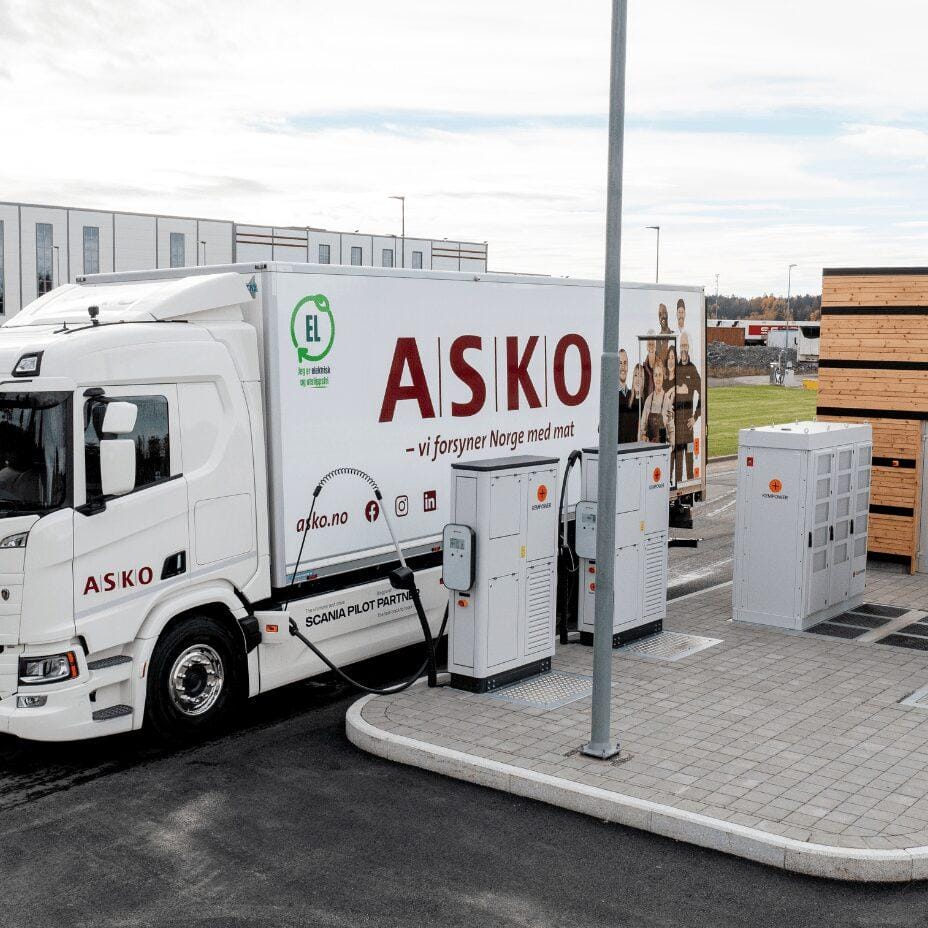
Why CPOs Should Adopt Megawatt Charging Systems
Megawatt charging systems enable charge point operators to serve heavy-duty electric vehicles with significantly higher charging power than conventional DC fast chargers. As electric truck adoption grows, MCS infrastructure can help charging networks meet emerging demand for high-power commercial vehicle charging.

Why the time is now to invest in electric buses
All signs are pointing towards an electrified UK bus industry. Regulations ending the sale of new non-zero emission buses as early as 2030, paired with electric buses’ increasing cost parity with diesel counterparts, are encouraging operators to invest in electric bus fleets now. The UK is now Europe’s biggest zero-emission bus market and it’s continuing to grow.